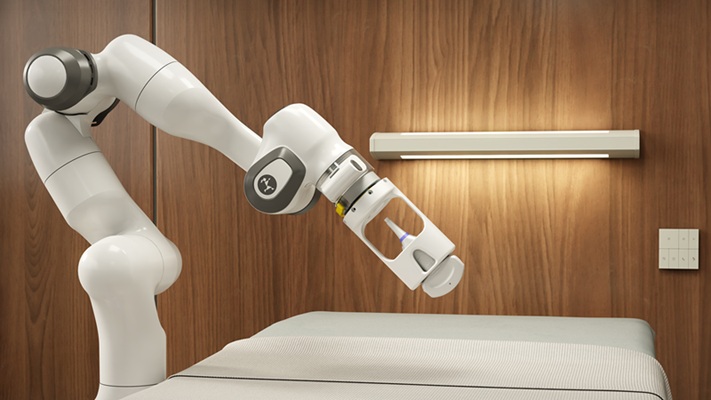



Mobile System Delivers Electron Beam Radiation Therapy to Tumors
|
By MedImaging International staff writers Posted on 18 Jun 2009 |


|
A mobile device has been designed that delivers intraoperative electron-beam radiation therapy (IOERT) to a tumor site during cancer surgery. The system enables radiation and surgical oncologists to pinpoint the optimal site for radiation and deliver an effective dose during surgery.
IntraOp Medical Corp. (Sunnyvale, CA, USA), a provider of IOERT systems for the treatment and eradication of cancer, has received an order for a Mobetron from the Institut Jules Bordet [Bordet] in Brussels, Belgium.
Since the Mobetron is a mobile, self-shielded device, doctors will be able to move the Mobetron among different operating rooms, avoiding the high cost of outfitting multiple rooms with traditional linear accelerators. Bordet will deliver IOERT with the Mobetron as part of its comprehensive breast cancer treatment program.
IOERT is gaining popularity as a common radiation treatment in many parts of Europe, as recent published studies and data continue to show its effectiveness in fighting breast cancer. As a boost dose to a regular course of radiation treatment, IOERT has been shown to reduce cancer recurrence rates, while increasing expected patient survival. As a single dose, IOERT has been shown to be equivalent to the traditional regimen of radiation, thereby eliminating the need for six weeks of postoperative radiation treatment. This benefits the patient by reducing overall treatment time and increasing quality of life.
This marks the second Mobetron installation in Belgium. Currently, the Mobetron is in use at Antwerp's St. Augustinius Hospital, where oncologists use the machine primarily for breast treatments. IntraOp believes that Belgium is an increasingly important market, because of stronger breast IOERT reimbursements and the medical system support for the purchase of linear accelerators for radiation treatments.
IntraOp CEO John Powers added, "I am very pleased to see the Mobetron and IOERT gaining traction in Belgium. This has become an increasingly important market for us, given its reimbursement and acceptance of the strong clinical data for the breast IOERT treatment. Our customers in Belgium like the fact that treating with IOERT has benefits for everyone, by reducing the risk of recurrence, reducing the duration of radiation therapy for the patient, and increasing capacity of their existing conventional linear accelerators. The hospital, the patient and the government all benefit from the addition of the Mobetron.”
IntraOp Medical's flagship product, the Mobetron, is the first fully portable, self-shielding intraoperative electron radiation therapy device designed for use in any operating room. Key Mobetron benefits include: increased survival rates, better local tumor control, shorter treatment cycles, and fewer side effects. Leading hospitals, from university research centers to specialized cancer clinics in North America, Europe, and Asia, use the Mobetron as a key part of their comprehensive cancer program.
Related Links:
IntraOp Medical




IntraOp Medical Corp. (Sunnyvale, CA, USA), a provider of IOERT systems for the treatment and eradication of cancer, has received an order for a Mobetron from the Institut Jules Bordet [Bordet] in Brussels, Belgium.
Since the Mobetron is a mobile, self-shielded device, doctors will be able to move the Mobetron among different operating rooms, avoiding the high cost of outfitting multiple rooms with traditional linear accelerators. Bordet will deliver IOERT with the Mobetron as part of its comprehensive breast cancer treatment program.
IOERT is gaining popularity as a common radiation treatment in many parts of Europe, as recent published studies and data continue to show its effectiveness in fighting breast cancer. As a boost dose to a regular course of radiation treatment, IOERT has been shown to reduce cancer recurrence rates, while increasing expected patient survival. As a single dose, IOERT has been shown to be equivalent to the traditional regimen of radiation, thereby eliminating the need for six weeks of postoperative radiation treatment. This benefits the patient by reducing overall treatment time and increasing quality of life.
This marks the second Mobetron installation in Belgium. Currently, the Mobetron is in use at Antwerp's St. Augustinius Hospital, where oncologists use the machine primarily for breast treatments. IntraOp believes that Belgium is an increasingly important market, because of stronger breast IOERT reimbursements and the medical system support for the purchase of linear accelerators for radiation treatments.
IntraOp CEO John Powers added, "I am very pleased to see the Mobetron and IOERT gaining traction in Belgium. This has become an increasingly important market for us, given its reimbursement and acceptance of the strong clinical data for the breast IOERT treatment. Our customers in Belgium like the fact that treating with IOERT has benefits for everyone, by reducing the risk of recurrence, reducing the duration of radiation therapy for the patient, and increasing capacity of their existing conventional linear accelerators. The hospital, the patient and the government all benefit from the addition of the Mobetron.”
IntraOp Medical's flagship product, the Mobetron, is the first fully portable, self-shielding intraoperative electron radiation therapy device designed for use in any operating room. Key Mobetron benefits include: increased survival rates, better local tumor control, shorter treatment cycles, and fewer side effects. Leading hospitals, from university research centers to specialized cancer clinics in North America, Europe, and Asia, use the Mobetron as a key part of their comprehensive cancer program.
Related Links:
IntraOp Medical

Multi-Use Ultrasound Table
Clinton
Biopsy Software
Affirm® Contrast
Digital Radiography System (Ceiling Free)
Digix CF Series
High-Precision QA Tool
DEXA Phantom
Latest Nuclear Medicine News
- Targeted PET Platform Guides Osteosarcoma Resection and Margin Verification
- Portable PET System Enables Real-Time Bedside Guidance for Biopsies and Ablations
- AI Model Predicts Radiation Dose Before Prostate Cancer Therapy
- Vault-Free Radiosurgery Platform Expands Access to Cranial Tumor Care
- MR-Guided Cardiac Mapping System Enables Radiation-Free Procedures
- New Imaging Tool Sheds Light on Tumor Fat Metabolism
- PET Tracer Enables Noninvasive Measurement of Beta Cell Mass
- Radiopharmaceutical Molecule Marker to Improve Choice of Bladder Cancer Therapies
- Cancer “Flashlight” Shows Who Can Benefit from Targeted Treatments
- PET Imaging of Inflammation Predicts Recovery and Guides Therapy After Heart Attack
- Radiotheranostic Approach Detects, Kills and Reprograms Aggressive Cancers
- New Imaging Solution Improves Survival for Patients with Recurring Prostate Cancer
- PET Tracer Enables Same-Day Imaging of Triple-Negative Breast and Urothelial Cancers
- New Camera Sees Inside Human Body for Enhanced Scanning and Diagnosis
- Novel Bacteria-Specific PET Imaging Approach Detects Hard-To-Diagnose Lung Infections
- New Imaging Approach Could Reduce Need for Biopsies to Monitor Prostate Cancer
Channels
Radiography
view channel
Rapid X-Ray Test Quantifies Pulmonary Regurgitation After Tetralogy of Fallot Repair
Tetralogy of Fallot is the most common cyanotic congenital heart defect and can leave patients with pulmonary valve regurgitation, a backward flow of blood into the right ventricle after repair.... Read more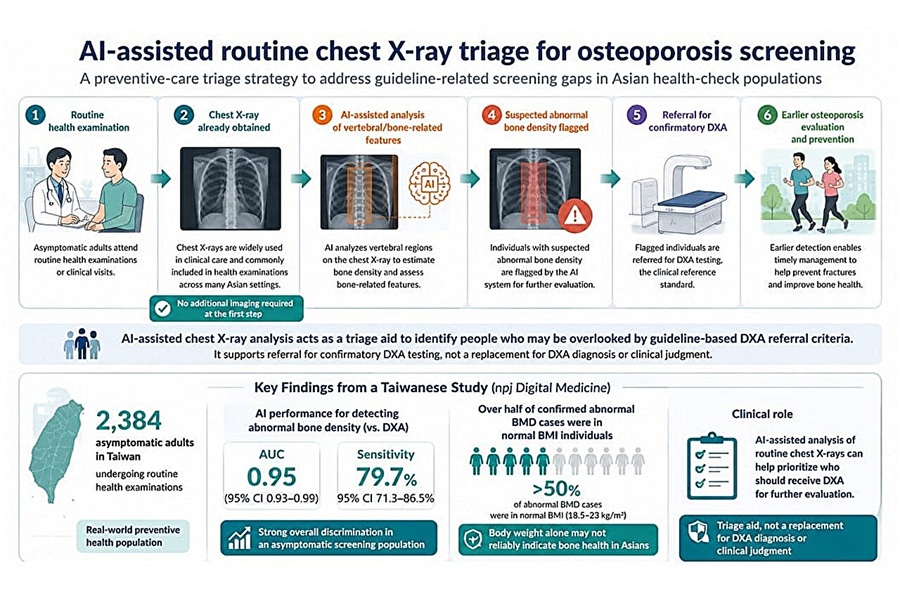
AI Tool Flags Osteoporosis Risk from Routine Chest X-Rays
Osteoporosis is a progressive loss of bone density that is often silent until a fracture occurs. Current screening frameworks concentrate on older women and select high-risk groups. Many men, younger adults,... Read more
MRI
view channel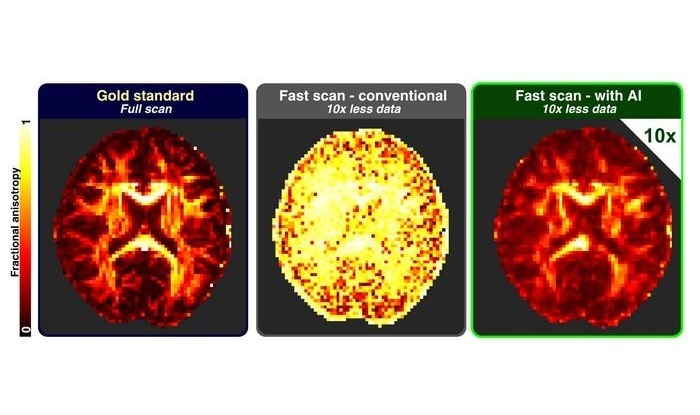
AI Approach Could Shorten Advanced Brain MRI Scans by Up to 90%
Long acquisition times for advanced brain magnetic resonance imaging (MRI) can limit access, extend waiting lists, and disrupt clinical workflows. Reducing data requirements without sacrificing image fidelity... Read more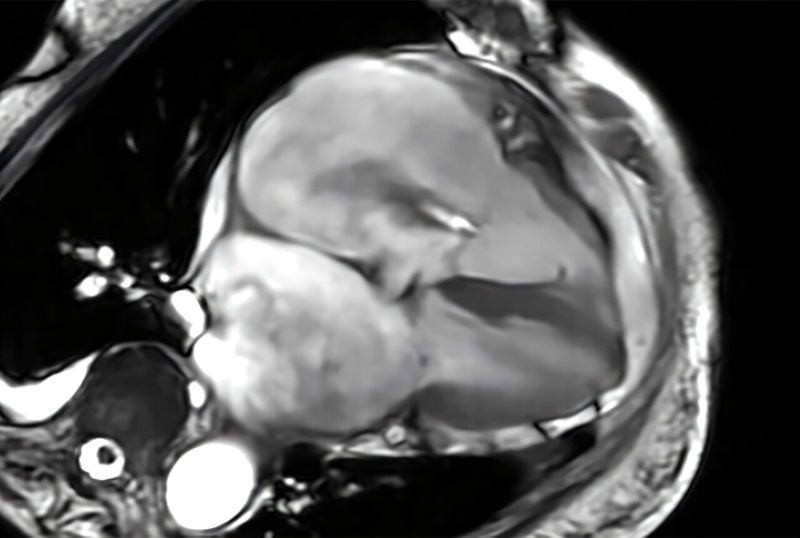
Cardiac MRI Measure Improves Risk Prediction in Tricuspid Regurgitation
Tricuspid regurgitation, in which blood flows back from the right ventricle into the right atrium, can lead to progressive right-sided heart failure. Clinicians need reliable ways to gauge severity and... Read more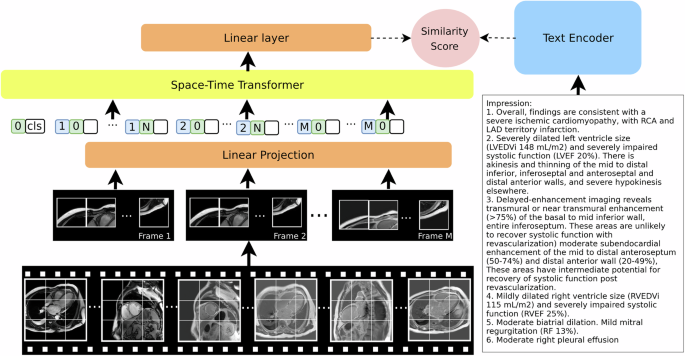

Ultrasound
view channel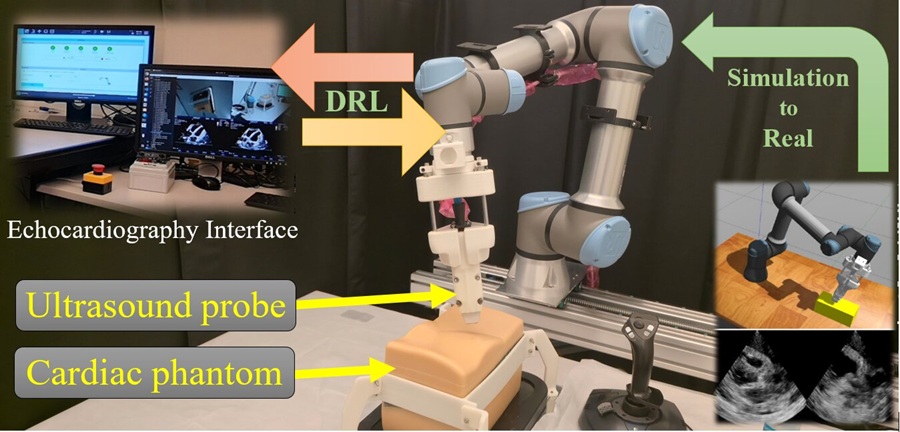
AI Robotic Ultrasound System Automates Echocardiography and Improves Consistency
Echocardiography, an ultrasound examination of the heart, is central to diagnosing and managing cardiovascular disease. Many services struggle with limited availability of skilled sonographers, variable... Read more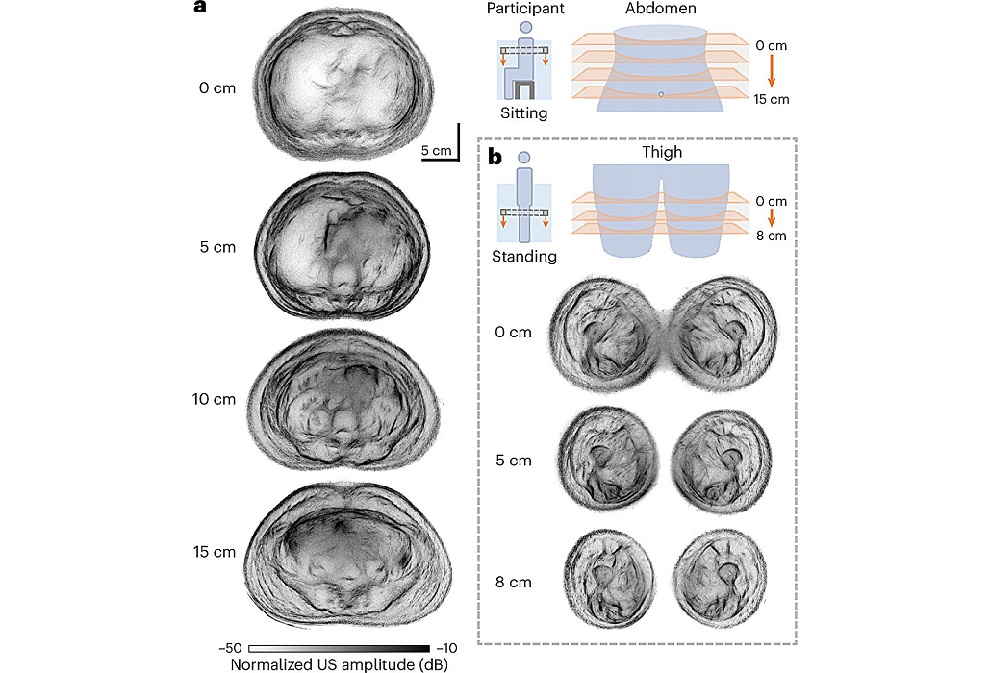
Whole Cross-Section Ultrasound System Enables Operator-Independent Imaging
Conventional ultrasound is central to bedside imaging but is limited by a narrow field of view and operator variability. Comprehensive cross-sectional assessment typically requires computed tomography... Read more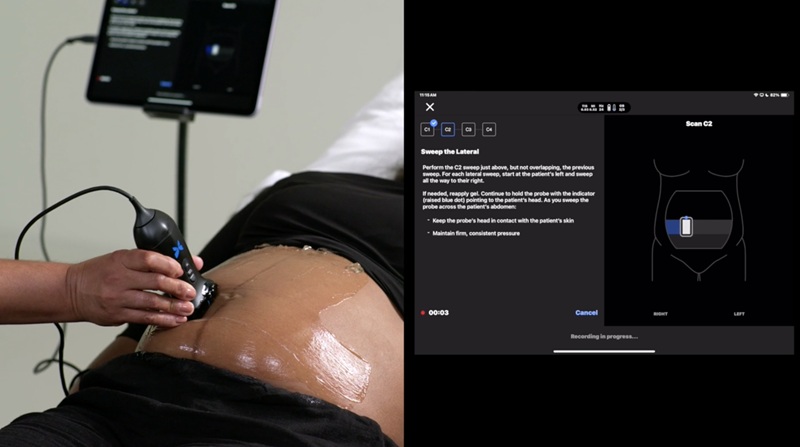
General/Advanced Imaging
view channel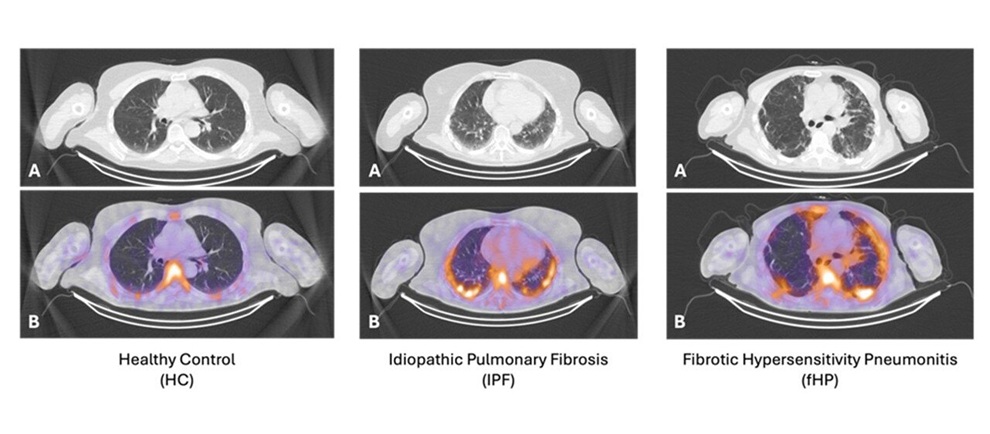
New SPECT/CT Method Differentiates Inflammation from Fibrosis in Interstitial Lung Disease
Interstitial lung disease (ILD) encompasses more than 200 disorders that inflame or scar the lung interstitium and can lead to progressive respiratory failure. Determining whether active inflammation is... Read more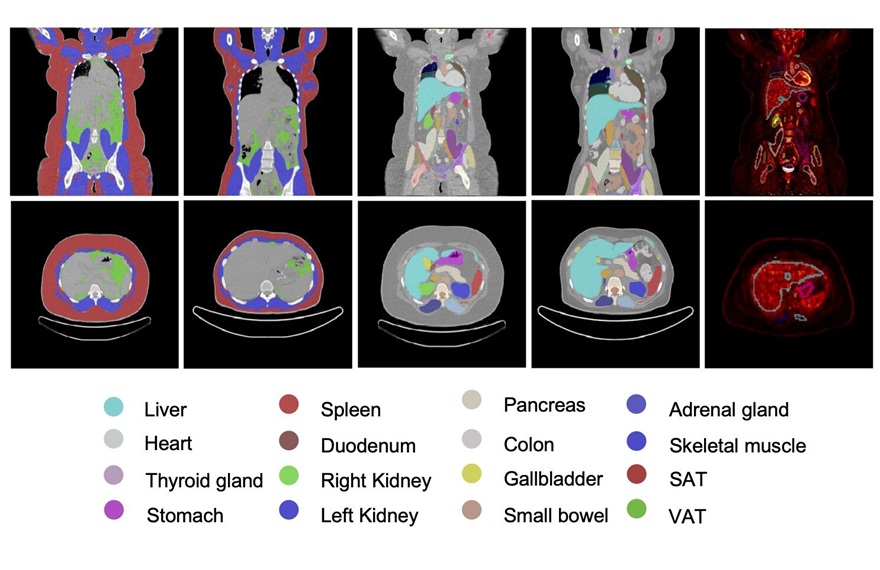
Whole-Body PET/CT Tracks Metabolic Changes After Bariatric Surgery
Obesity surgery improves weight and comorbidity profiles, yet clinicians lack tools to monitor organ-level metabolic recovery after the procedure. A clear view of systemic changes could refine follow-up... Read more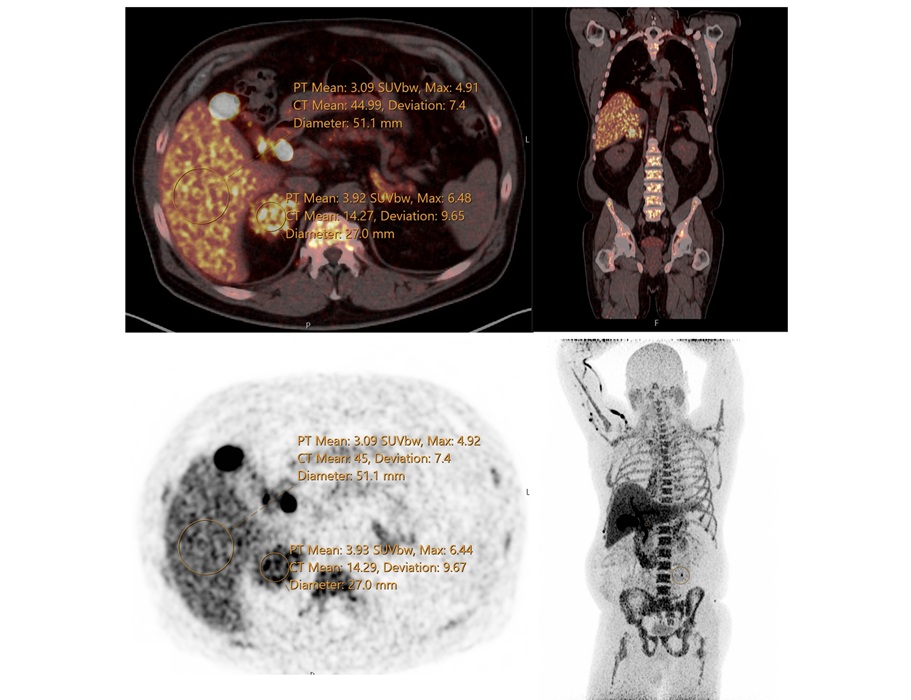
Imaging IT
view channel
Interactive AI Tool Supports Explainable Lung Nodule Assessment
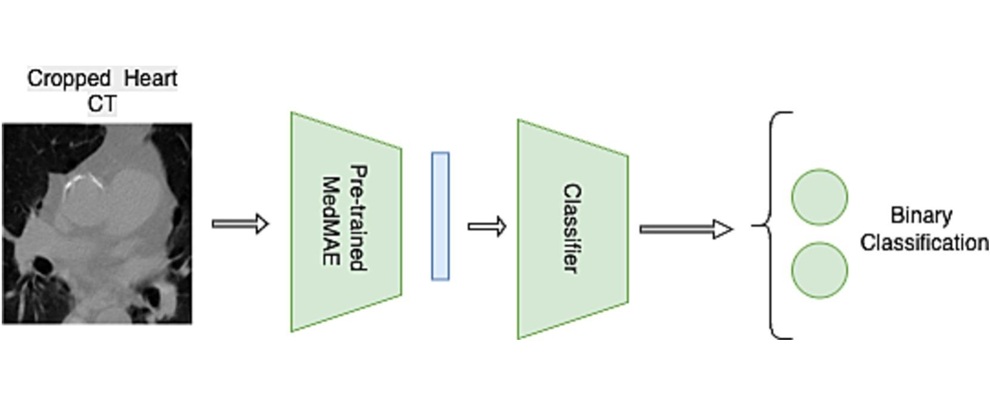
Lung cancer is a leading cause of cancer mortality, and timely characterization of pulmonary nodules on chest computed tomography (CT) is essential for directing care. Interpreting nodule morphology demands... Read more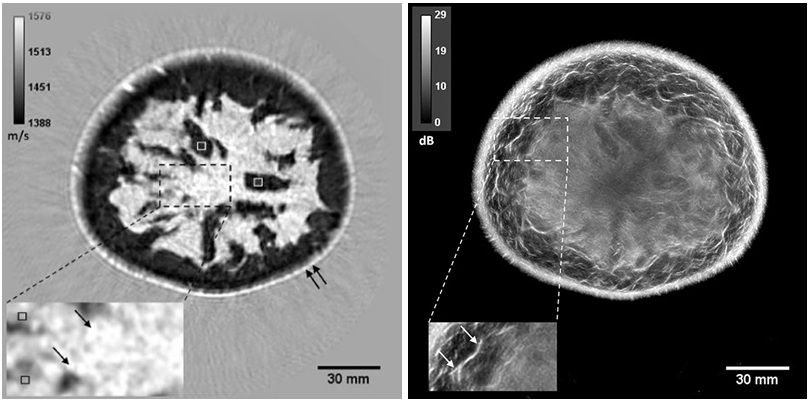
Breast Imaging Software Enhances Visualization and Tissue Characterization in Challenging Cases
Breast imaging can be particularly challenging in cases involving small breasts or implants, where image reconstruction and tissue characterization may be limited. Clinicians also need reproducible analysis... Read more
New Google Cloud Medical Imaging Suite Makes Imaging Healthcare Data More Accessible
Medical imaging is a critical tool used to diagnose patients, and there are billions of medical images scanned globally each year. Imaging data accounts for about 90% of all healthcare data1 and, until... Read more
Global AI in Medical Diagnostics Market to Be Driven by Demand for Image Recognition in Radiology
The global artificial intelligence (AI) in medical diagnostics market is expanding with early disease detection being one of its key applications and image recognition becoming a compelling consumer proposition... Read moreIndustry News
view channel
GE HealthCare Showcases AI-Enabled Nuclear Medicine Portfolio at SNMMI 2026
Nuclear medicine is expanding rapidly as health systems adopt theranostics and broaden access to radiopharmaceuticals, increasing demand for scalable operations and consistent diagnostic confidence.... Read more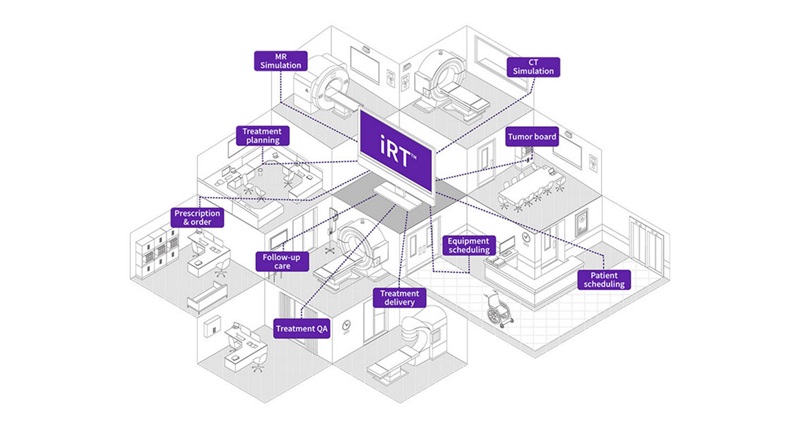
GE HealthCare Highlights AI-Supported Radiation Therapy Tools at ESTRO 2026
At the European Society for Radiotherapy and Oncology (ESTRO) 2026 Congress in Stockholm, GE HealthCare is highlighting Intelligent Radiation Therapy (iRT), MIM Software innovations, and BK Medical surgical... Read more