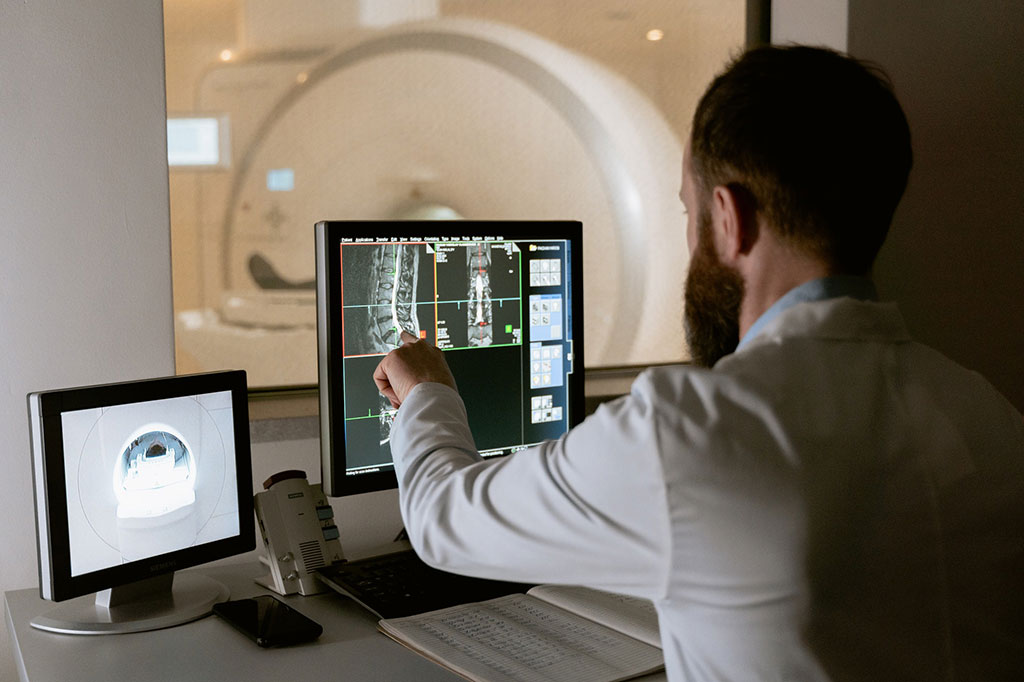



Next-Generation Scintillation Crystals Developed for Imaging Applications
|
By MedImaging International staff writers Posted on 18 May 2009 |


|
Innovative scintillation crystal and solid-state photo detector technologies are being developed to help design advanced oncology, neurology, and cardiology imaging equipment.
Zecotek Photonics, Inc. (Vancouver, BC, Canada) has developed a system that removes a significant obstacle in the development of technologies promising to serve as a backbone for next-generation imaging equipment.
"Zecotek is favorably positioned as a global competitor, having been issued or allowed patents for its lutetium fine silicate [LFS] scintillation crystals in many countries and a series of pending and granted patents for its novel solid-state photomultiplier and depth of interaction design considerations,” said Frost & Sullivan (Palo Alto, CA, USA) industry analyst Travis Chong. "The company is integrating all these components into what it has dubbed the ‘Plug to Socket,' a very compact detector module element that captures high resolution images, is easy to install, and requires very low servicing.”
Zecotek develops advanced photodetector and solid-state technologies for PET/CT and other medical applications. The company first developed the micro-pixel avalanche photo diode (MAPD)-1 concept, whose design and performance characteristics served as a solid-state photodetector design template for the industry over the last several years. The MAPD-1 eventually evolved into the MAPD-2 and MAPD-3, providing better electrical efficiency and imaging capabilities than traditional integrated photo multiplier tubes (PMTs) in scanners.
"Specifically, the MAPD design has been demonstrated to withstand strong magnetic environments created by superconducting magnets used in magnetic resonance imaging [MRI] machines--a critical milestone in the pursuit to bring forth PET/MRI from concept to reality,” noted Mr. Chong. "This enabling technology is expected to rapidly accelerate the development and commercialization of PET/MRI, which is currently being carried out through a collaborative partnership between Zecotek and the University of Washington [Seattle, USA].”
The 64-chip MAPD-3 array, combined with Zecotek's LFS scintillation crystals, meets and/or exceeds the performance characteristics of current high-resolution PET/CT scanners. It provides finer electrical efficiency and timing resolution, allowing researchers to improve time-of-flight capabilities of a PET/CT scanner.
Based on its recent analysis of the U.S. positron emission tomography (PET) and PET/computed tomography (CT) market, Frost & Sullivan, an international growth consultancy company, recognized Zecotek Photonics with the 2009 North American Frost & Sullivan Award for Enabling Technology.
Zecotek Photonics is a photonics technology company developing leading-edge products: crystals, photo detectors, lasers, imaging, and three-dimensional (3D) display technologies, for medical, biotech, industrial, nanotech, and atomic/molecular science applications.
Related Links:
Frost & Sullivan
Zecotek Photonics



 Guided Devices.jpg)


Zecotek Photonics, Inc. (Vancouver, BC, Canada) has developed a system that removes a significant obstacle in the development of technologies promising to serve as a backbone for next-generation imaging equipment.
"Zecotek is favorably positioned as a global competitor, having been issued or allowed patents for its lutetium fine silicate [LFS] scintillation crystals in many countries and a series of pending and granted patents for its novel solid-state photomultiplier and depth of interaction design considerations,” said Frost & Sullivan (Palo Alto, CA, USA) industry analyst Travis Chong. "The company is integrating all these components into what it has dubbed the ‘Plug to Socket,' a very compact detector module element that captures high resolution images, is easy to install, and requires very low servicing.”
Zecotek develops advanced photodetector and solid-state technologies for PET/CT and other medical applications. The company first developed the micro-pixel avalanche photo diode (MAPD)-1 concept, whose design and performance characteristics served as a solid-state photodetector design template for the industry over the last several years. The MAPD-1 eventually evolved into the MAPD-2 and MAPD-3, providing better electrical efficiency and imaging capabilities than traditional integrated photo multiplier tubes (PMTs) in scanners.
"Specifically, the MAPD design has been demonstrated to withstand strong magnetic environments created by superconducting magnets used in magnetic resonance imaging [MRI] machines--a critical milestone in the pursuit to bring forth PET/MRI from concept to reality,” noted Mr. Chong. "This enabling technology is expected to rapidly accelerate the development and commercialization of PET/MRI, which is currently being carried out through a collaborative partnership between Zecotek and the University of Washington [Seattle, USA].”
The 64-chip MAPD-3 array, combined with Zecotek's LFS scintillation crystals, meets and/or exceeds the performance characteristics of current high-resolution PET/CT scanners. It provides finer electrical efficiency and timing resolution, allowing researchers to improve time-of-flight capabilities of a PET/CT scanner.
Based on its recent analysis of the U.S. positron emission tomography (PET) and PET/computed tomography (CT) market, Frost & Sullivan, an international growth consultancy company, recognized Zecotek Photonics with the 2009 North American Frost & Sullivan Award for Enabling Technology.
Zecotek Photonics is a photonics technology company developing leading-edge products: crystals, photo detectors, lasers, imaging, and three-dimensional (3D) display technologies, for medical, biotech, industrial, nanotech, and atomic/molecular science applications.
Related Links:
Frost & Sullivan
Zecotek Photonics

Ultrasonic Pocket Doppler
SD1
Mammo DR Retrofit Solution
DR Retrofit Mammography
Ultrasound-Guided Biopsy & Visualization Tools
Endoscopic Ultrasound (EUS) Guided Devices
Adjustable Mobile Barrier
M-458
Latest Industry News News
- GE HealthCare Showcases AI-Enabled Nuclear Medicine Portfolio at SNMMI 2026
- GE HealthCare Highlights AI-Supported Radiation Therapy Tools at ESTRO 2026
- Nuclear Medicine Set for Continued Growth Driven by Demand for Precision Diagnostics
- GE HealthCare and NVIDIA Collaboration to Reimagine Diagnostic Imaging
- Patient-Specific 3D-Printed Phantoms Transform CT Imaging
- Siemens and Sectra Collaborate on Enhancing Radiology Workflows
- Bracco Diagnostics and ColoWatch Partner to Expand Availability CRC Screening Tests Using Virtual Colonoscopy
- Mindray Partners with TeleRay to Streamline Ultrasound Delivery
- Philips and Medtronic Partner on Stroke Care
- Siemens and Medtronic Enter into Global Partnership for Advancing Spine Care Imaging Technologies
- RSNA 2024 Technical Exhibits to Showcase Latest Advances in Radiology
- Bracco Collaborates with Arrayus on Microbubble-Assisted Focused Ultrasound Therapy for Pancreatic Cancer
- Innovative Collaboration to Enhance Ischemic Stroke Detection and Elevate Standards in Diagnostic Imaging
- RSNA 2024 Registration Opens
- Microsoft collaborates with Leading Academic Medical Systems to Advance AI in Medical Imaging
- GE HealthCare Acquires Intelligent Ultrasound Group’s Clinical Artificial Intelligence Business
Channels
Radiography
view channel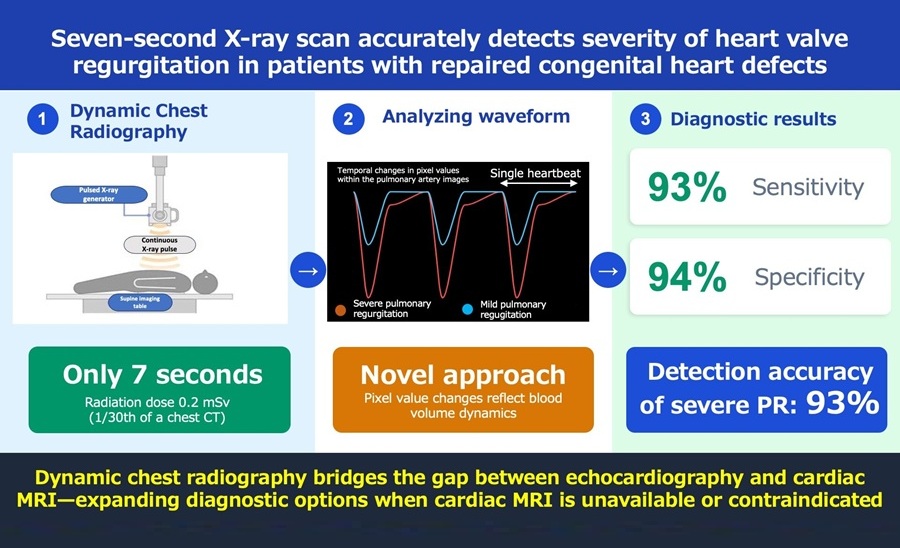
Rapid X-Ray Test Quantifies Pulmonary Regurgitation After Tetralogy of Fallot Repair
Tetralogy of Fallot is the most common cyanotic congenital heart defect and can leave patients with pulmonary valve regurgitation, a backward flow of blood into the right ventricle after repair.... Read more
AI Tool Flags Osteoporosis Risk from Routine Chest X-Rays
Osteoporosis is a progressive loss of bone density that is often silent until a fracture occurs. Current screening frameworks concentrate on older women and select high-risk groups. Many men, younger adults,... Read more
MRI
view channel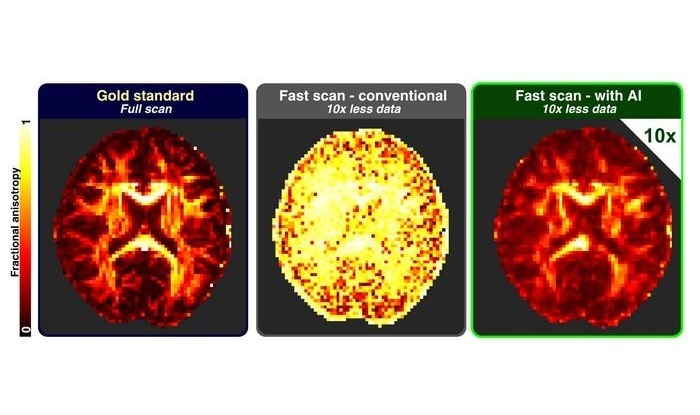
AI Approach Could Shorten Advanced Brain MRI Scans by Up to 90%
Long acquisition times for advanced brain magnetic resonance imaging (MRI) can limit access, extend waiting lists, and disrupt clinical workflows. Reducing data requirements without sacrificing image fidelity... Read more
Cardiac MRI Measure Improves Risk Prediction in Tricuspid Regurgitation
Tricuspid regurgitation, in which blood flows back from the right ventricle into the right atrium, can lead to progressive right-sided heart failure. Clinicians need reliable ways to gauge severity and... Read more
Ultrasound
view channel
AI Robotic Ultrasound System Automates Echocardiography and Improves Consistency
Echocardiography, an ultrasound examination of the heart, is central to diagnosing and managing cardiovascular disease. Many services struggle with limited availability of skilled sonographers, variable... Read more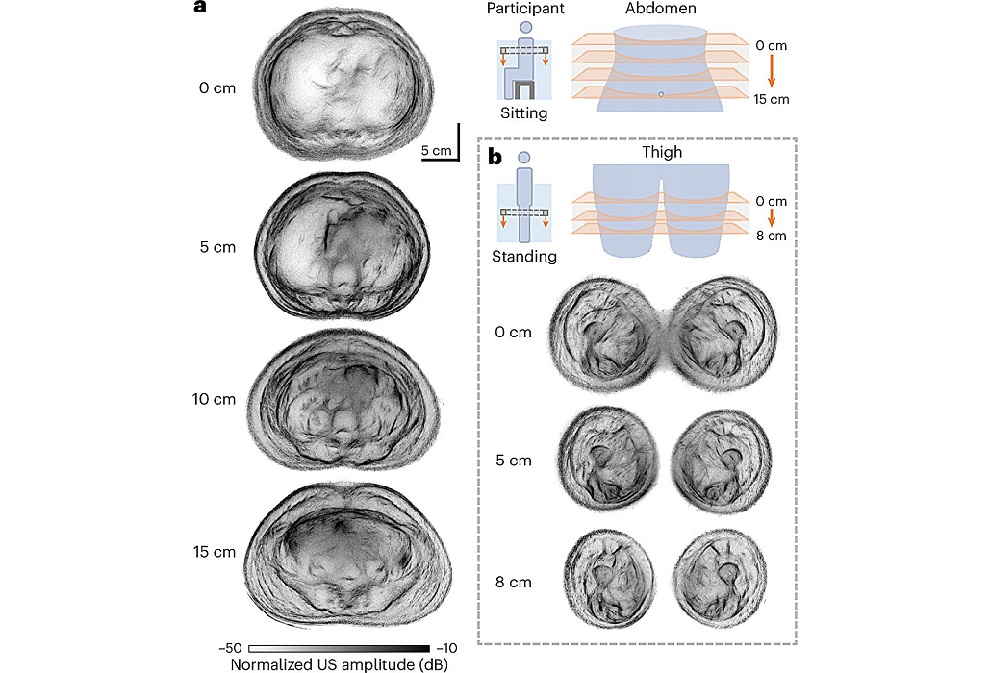
Whole Cross-Section Ultrasound System Enables Operator-Independent Imaging
Conventional ultrasound is central to bedside imaging but is limited by a narrow field of view and operator variability. Comprehensive cross-sectional assessment typically requires computed tomography... Read more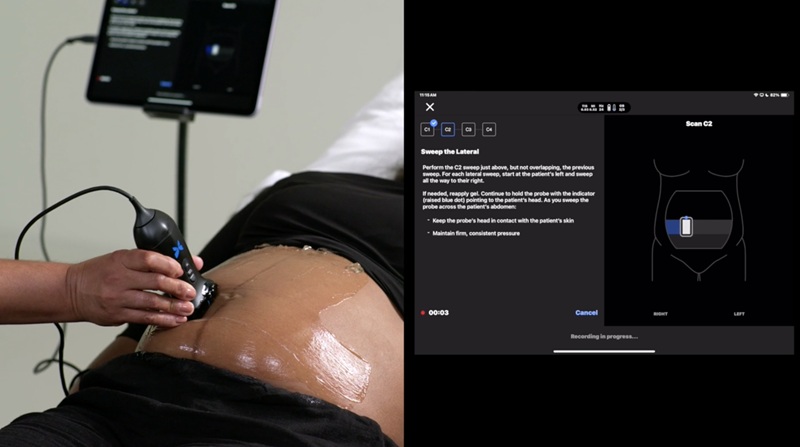
Nuclear Medicine
view channel![Image: (A-C) Representative whole-body maximum-intensity projection images and regional fused PET/CT images from three histologically confirmed osteosarcoma patients who underwent paired [68Ga]Ga-B7-H3-BCH PET/CT and 18F-FDGE PET/CT within 7 days. (D) Multimodal imaging evaluation of patient 3, including X-ray, MRI (T2-weighted imaging, T2WI), CT, and B7-H3 PET/CT. (Photo courtesy of SNMMI)](https://globetechcdn.com/mobile_medicalimaging/images/stories/articles/article_images/2026-06-07/294811110_image_1.jpg "Image: (A-C) Representative whole-body maximum-intensity projection images and regional fused PET/CT images from three histologically confirmed osteosarcoma patients who underwent paired [68Ga]Ga-B7-H3-BCH PET/CT and 18F-FDGE PET/CT within 7 days. (D) Multimodal imaging evaluation of patient 3, including X-ray, MRI (T2-weighted imaging, T2WI), CT, and B7-H3 PET/CT. (Photo courtesy of SNMMI)")
Targeted PET Platform Guides Osteosarcoma Resection and Margin Verification
Osteosarcoma, an aggressive primary bone cancer that mainly affects children and adolescents, demands wide excision to prevent local recurrence. Surgeons must achieve negative margins while preserving... Read more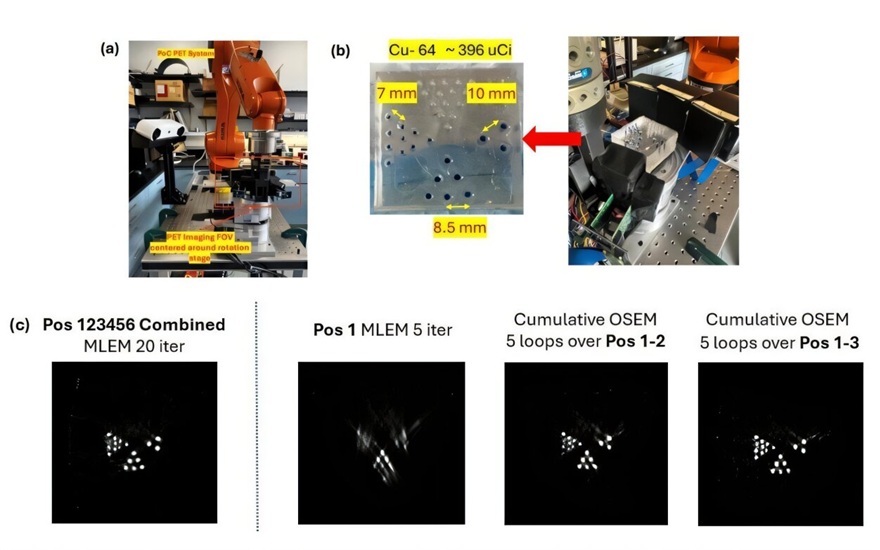
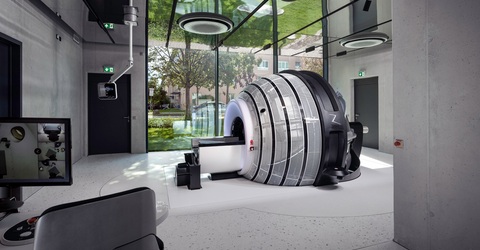
Portable PET System Enables Real-Time Bedside Guidance for Biopsies and Ablations
Interventional radiology procedures typically rely on ultrasound, X-ray fluoroscopy, or computed tomography for image guidance. These modalities visualize anatomy but offer limited molecular information,... Read more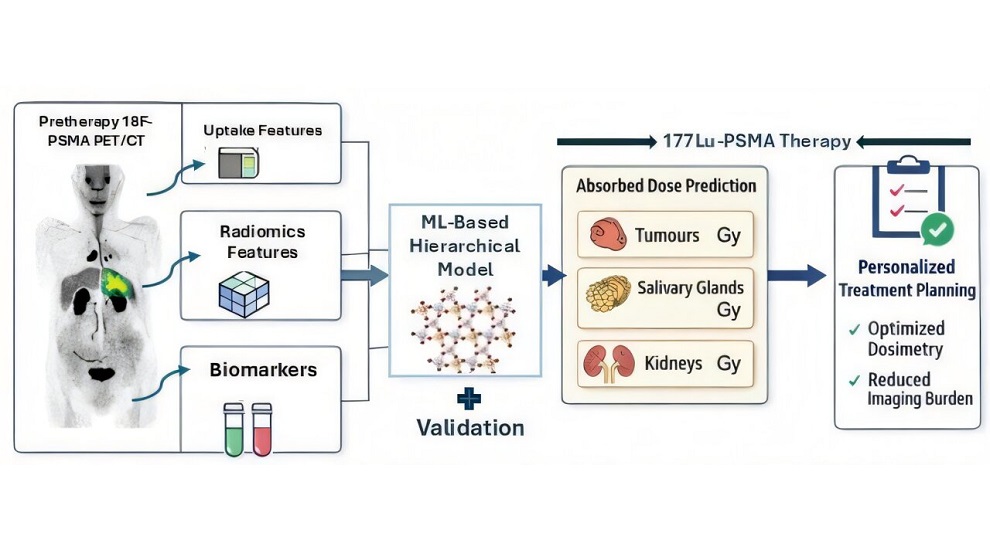
General/Advanced Imaging
view channel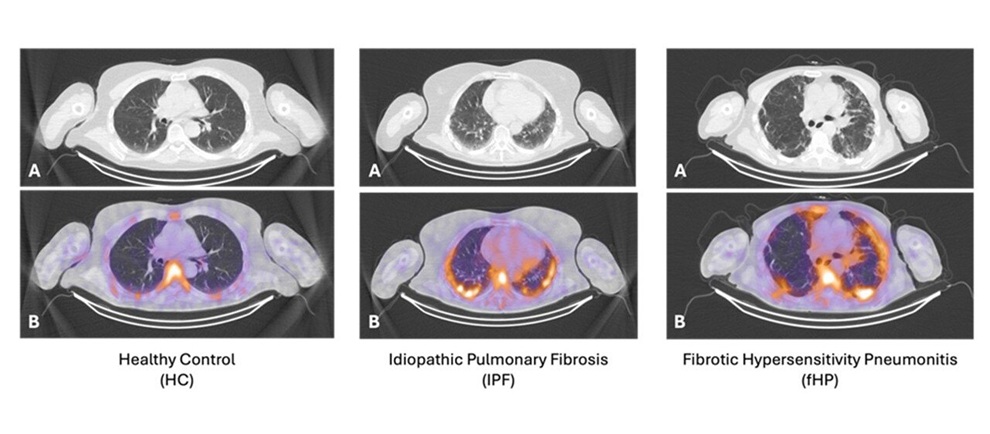
New SPECT/CT Method Differentiates Inflammation from Fibrosis in Interstitial Lung Disease
Interstitial lung disease (ILD) encompasses more than 200 disorders that inflame or scar the lung interstitium and can lead to progressive respiratory failure. Determining whether active inflammation is... Read more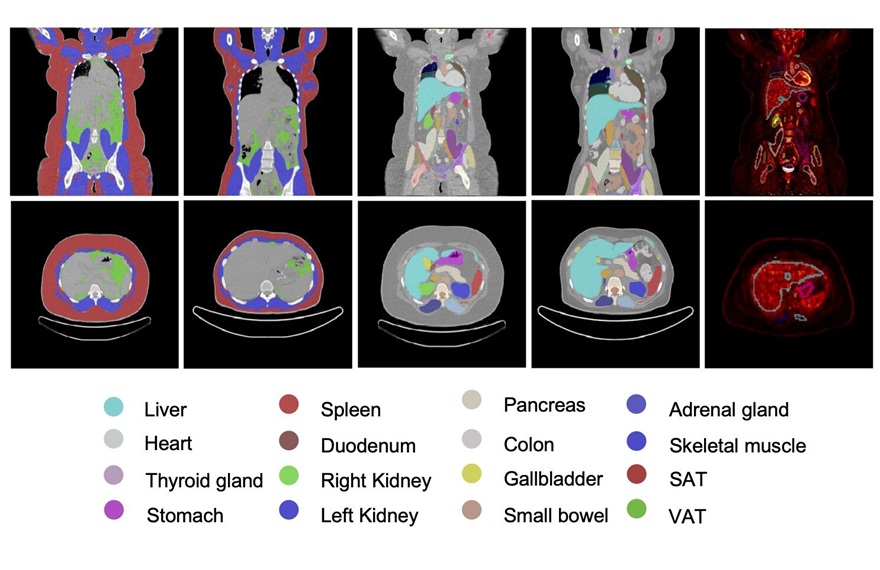
Whole-Body PET/CT Tracks Metabolic Changes After Bariatric Surgery
Obesity surgery improves weight and comorbidity profiles, yet clinicians lack tools to monitor organ-level metabolic recovery after the procedure. A clear view of systemic changes could refine follow-up... Read more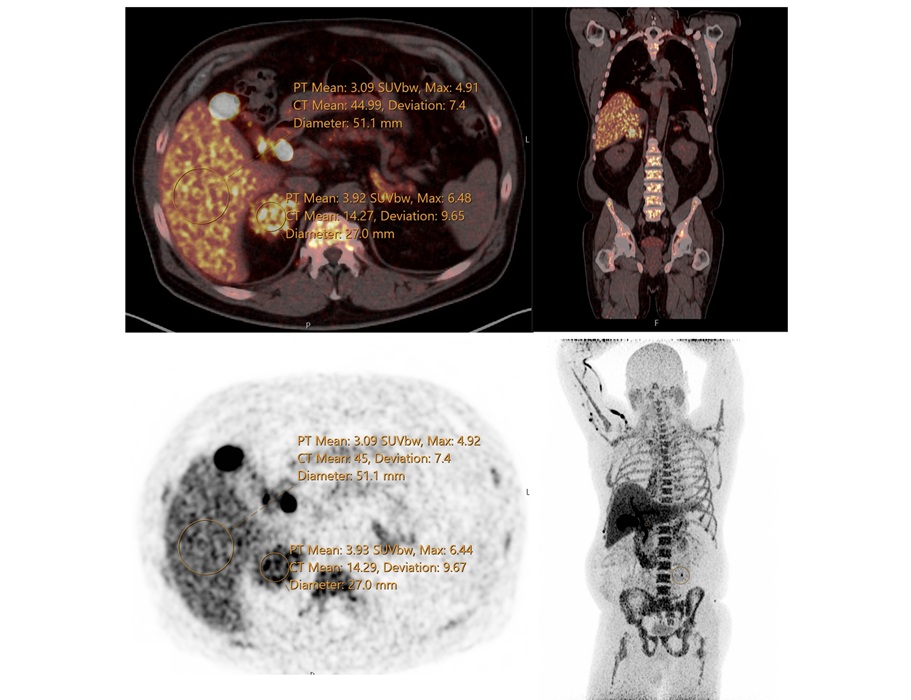
Imaging IT
view channel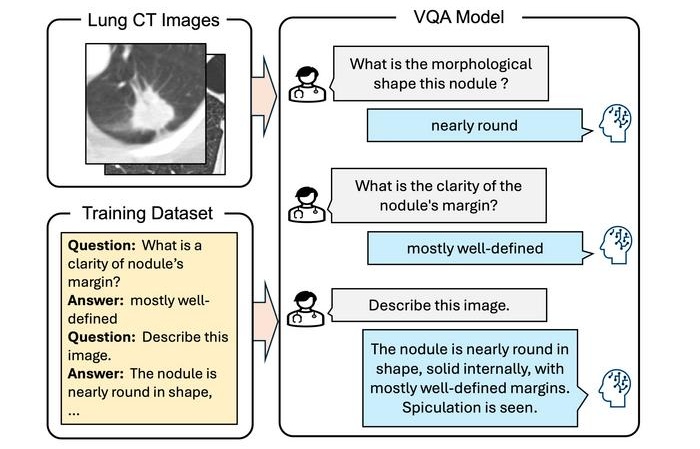
Interactive AI Tool Supports Explainable Lung Nodule Assessment
Lung cancer is a leading cause of cancer mortality, and timely characterization of pulmonary nodules on chest computed tomography (CT) is essential for directing care. Interpreting nodule morphology demands... Read more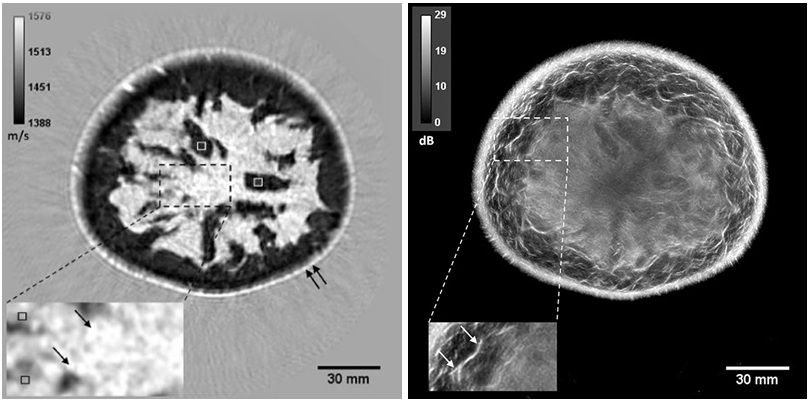
Breast Imaging Software Enhances Visualization and Tissue Characterization in Challenging Cases
Breast imaging can be particularly challenging in cases involving small breasts or implants, where image reconstruction and tissue characterization may be limited. Clinicians also need reproducible analysis... Read more
New Google Cloud Medical Imaging Suite Makes Imaging Healthcare Data More Accessible
Medical imaging is a critical tool used to diagnose patients, and there are billions of medical images scanned globally each year. Imaging data accounts for about 90% of all healthcare data1 and, until... Read more